
Debauchery and Magic Dungeons: Traps, Encounters, and Loot
Debauchery and Magic dungeons feature procedurally generated trap corridors, goblin hordes, rolling boulder sequences, and d20 dice-roll reward chests. Players clear these multi-floor caverns solo or in co-op parties to secure weapons, armor pieces, and consumable vices.
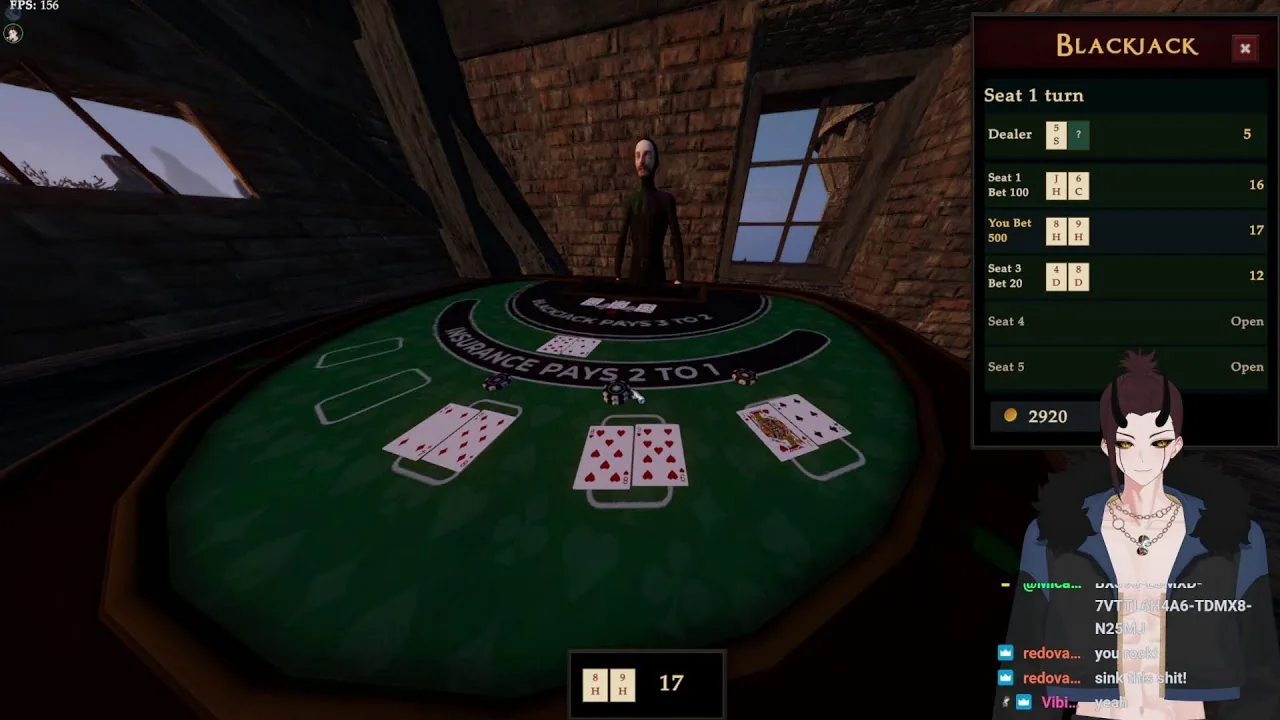
Debauchery and Magic dungeons feature procedurally generated trap corridors, goblin hordes, rolling boulder sequences, and d20 dice-roll reward chests. Players clear these multi-floor caverns solo or in co-op parties to secure weapons, armor pieces, and consumable vices.
Procedural Layouts and Trap Corridors
The primary dungeon structure in the early campaign is the Goblin Cave, located along the sparkly trail past the opening camp. 3rd Shift Studios built these underground spaces with procedural room generation, pairing enemy ambushes with physical traversal obstacles.
The initial corridors contain pendulum-style swinging axes and spinning blade mechanisms mounted across narrow walkways. Misjudging the swing pattern knocks characters off the ledge into deep water below, forcing them to swim toward side ramps and restart the crossing. Looking straight up at the ceiling beams or turning the camera perpendicular to the bridge clarifies the weapon hitboxes, allowing wizards to sprint or roll forward between swings.
Later hallway sections introduce downward slopes packed with rolling boulders. Players must sprint between alcoves along the rock face to avoid crush damage. Falling through gaps in damaged wooden walkways triggers fall damage or forces players into reset routes, requiring deliberate stamina management for jumps and dodge rolls outlined in the beginner guide.
Combat Encounters and Party Survival
Combat inside dungeon chambers alternates between standard goblin mobs, ranged spellcasters, and heavy boss encounters. Goblin wizards cast elemental projectiles from elevated platforms and have lower overall health pools than standard melee goblins. Melee units drop crafting reagents such as goblin bones, teeth, and severed feet upon defeat.
In online co op, parties of up to 12 players share encounter spaces. When an ally runs out of health, they enter a downed state with a timed bleed-out counter between 10 and 20 seconds. Squad members must clear immediate aggro and interact directly with the downed player to revive them before the timer expires.
Dungeon combat integrates the game's vice mechanics directly into health management. Consuming mugs of beer restores lost health during skirmishes, while smoking pipes or cigarettes grants combat stat adjustments. Excessive alcohol intake induces screen sway and altered visual effects, altering player movement control during precision dodges. Managing these status adjustments is detailed in the guide on drinking effects.
Dungeon Selection and Encounter Comparison
Dungeons balance hazard density against puzzle complexity and monster strength across different expedition tiers.
| Dungeon Zone | Encounter Challenges | Notable Loot Drops |
|---|---|---|
| Goblin Cave | Swinging axes, floor drop holes, rolling boulders, Head Dragon Knight | Moonlit Fay Greatsword, Blazing Forge Hammer, starter skateboards, d20 chests |
| Crypt Chambers | Rotating pillar alignment, skeleton swarms, minion-linked boss shields | Arcane bows, legendary wizard hats, twilight robes, crypt puzzle caches |
| Abandoned Lodge Depths | Close-quarters goblin ambush waves, elite basement brawlers | Rare brewing components, gold caches, specialty pipes |
D20 Loot Chests and Item Distribution
Reward chambers inside dungeons feature interactive chests governed by a 20-sided die roll. When a player interacts with a chest, a d20 rolls on screen to determine the rarity tier of the contents:
- Low rolls (such as a 1) can trigger negative encounter effects, including mimic spawns or low-tier common boots.
- Mid-range rolls between 7 and 14 grant uncommon green-tier gear, crafting materials, and standard consumables.
- High rolls between 15 and 20 award epic and legendary equipment, including the Moonlit Fay Greatsword of the Glade, Blazing Forge Hammers, arcane bows, and mounts such as the ice horse.
Chests are rolled individually by each party member in co-op instances. Extra equipment can be dropped manually from the player inventory onto the ground to trade with teammates before leaving the room.
Crypt Chambers and Puzzle Objectives
The deeper dungeon environments, such as the Crypt, transition from physics-based obstacle courses to puzzle-solving mechanics. Progression in these halls requires interacting with rotating stone pillars to match environmental markings and solving challenges involving crypt runes.
Combat encounters in the Crypt feature waves of 10 skeletal warriors alongside multi-phase bosses. In encounters with multiple mages or elite constructs, the central boss remains invulnerable until players defeat the supporting priests and secondary golems. Once the perimeter guardians collapse, the boss shield drops, allowing players to focus damage using staves, greatswords, and heavy area-of-effect spells.
Once all objectives and boss encounters conclude, players initiate an exit vote by pressing the departure key prompt (U), returning the party safely to the dungeon exterior.
Related Guides
Demo Overview
Review available features, dungeon challenges, multiplayer mechanics, and carryover rules in the public Debauchery and Magic Steam testing build.
Early Access Overview
Track the launch timing, cooperative systems, professions, and campaign scope planned for the initial Steam Early Access rollout.
Real Game Status
Verify the Steam development status, gameplay features, and release details for 3rd Shift Studios' fantasy RPG Debauchery and Magic.
Crash on Launch
Fix startup crashes and sign-in freezes in Debauchery & Magic with official developer troubleshooting steps and permission fixes.